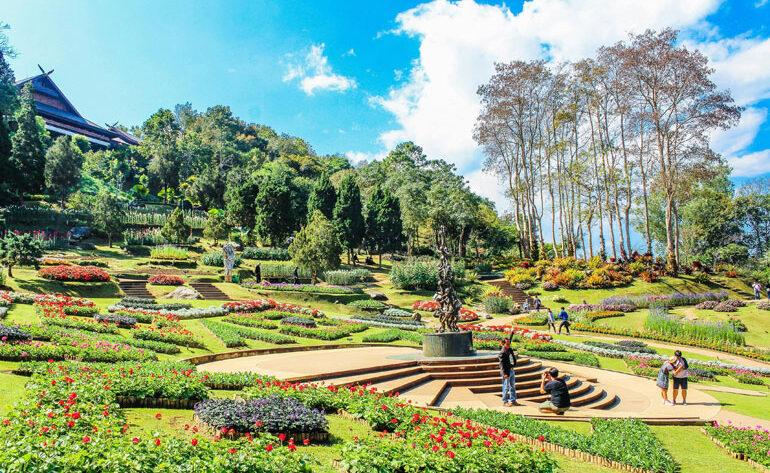


Transforming a community park from a derelict space to a lively and useful environment takes proper landscaping, thought, and attention to landscaping details. In all neighbourhoods within a city, parks offer a public amenity where residents of all ages can gather together, play, and relax. Create unique landscape designs for community parks that increase park beauty and utility and make these particular places the heart and soul of the community. This article is a guide on how local groups can help local parks move up the value chain from humdrum to hustlin’.
#1 Embrace the Vision
The first step in revitalizing a community park is having a plan. Talk to members of the local community so that you can understand what they like and do not like. Organize an election with all the users of the park to anticipate what elements they want to experience.
Then develop a sense of the park, and what role it needs to play for the community. With a clearer vision, the design process not only becomes focused but also allows the final park to meet the expectations and needs of the end users.
#2 Add Distinctive Features
To make the park more attractive, include unique design elements, creating a peaceful retreat that has become a community landmark. Why not integrate murals, decorative fountains, or sculptures that capture the essence of your local culture and history – whilst everyone could enjoy them for their aesthetic appeal, creating beautiful and interesting features that draw people in?
For example, the exterior of a disused public toilet might be a graffiti canvas for anyone who isn’t too fussy about privacy. These unique features increase the park’s memorability and attractiveness to potential users. Another reason for the use of such materials is to give parks a distinctive, unique look that is still eco-friendly.
#3 Sustainable Urban Design
A commitment to sustainability should be an underlying principle in any park renovation. Choose landscaping methods that are eco-friendly and support sustainability. Also the more the use of indigenous trees in a given area, the less the cost incurred for irrigation especially where the perennial trees need irrigation. Implement low-impact development strategies to manage stormwater runoff and reduce erosion, such as rain gardens or porous pavement.
Township a green town with beautiful parks to ensure participants are participating in the environment. Plant a tree and optimize your energy savings. Incorporating landscape lighting and recycled materials provides yet more means of “greening” in the park. Environmentally oriented maintenance does not only protect the planet, it also reduces long-term costs.
#4 Design for Interaction
The interaction that occurs within the space is a major component of activating the space as it sees activity during the day and night. Landscape design elements should act not only as landscape accoutrements but as an extension of the intervention onto the site.
An outdoor fitness trail can be designed that steer people to exercise while the interactive splash pad offers kids some cool fun during those dog days of summer. Provide diversity within the park’s user population by creating spaces for each other, along with uses—this will make the park much more serviceable on account of such a large percentage of the community also making use of it.
#5 Use Seasonal Colors
You can bring colour to the park even when it is cold if you plant trees with fruit or other forms of year-round colour. Plan for a mix of annuals and perennials that offer continuous blooms and varied textures. Plant colourful flowering shrubs or trees to create visual interest throughout the seasons, such as flowering dogwoods or Japanese maples.
The explosion of vibrant Silene flowers, wild daylilies, thistles, and milkweeds adjacent to sun-moistened trails reminds us that fields of blossoms can arise from overlooked corners of the city. For a more unique flair to the natural landscape designate some patches for wildflower seeds creating blossoming prairies that will draw pollinators to beautify and enliven the park. Seasonal plantings will provide visitors with an enhanced visual effect all year round.
#6 Have Well-Outlined Walkways
Having a good system of walkways is crucial since the chain is only as strong as its weakest link. The pathways must be well constructed but not overbuilt and must be connected on-site such that the park as a whole can be easily navigated.
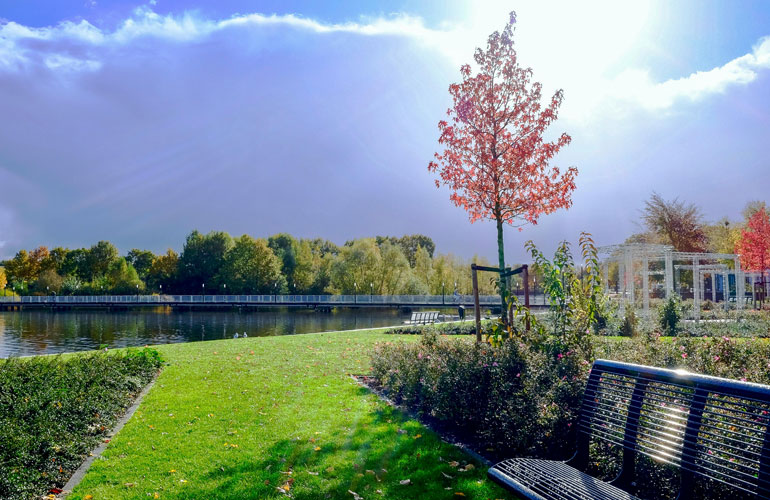
Incorporate durable materials like concrete, gravel, or mulch to match the park’s aesthetic while withstanding heavy foot traffic. Wayfinding should be seamless through the park especially when visitors have to find their way to specific features or across the park to exits. via steps, a long boardwalk, through linking paths. While the stone bridges, gazebos, and bass-stained kissing bridges complement the park’s aesthetic, the opulent and decorative design hides the purpose of these park elements.
#7 Maintain and Enforce Park Safety
Cleanliness is important to maintaining safety at the park. Regularly inspect and maintain all areas and features of the playground to prevent potential hazards.
Maintain lighting well within the park to help at night and ward off vandals for safety reasons. Keep the park clean by placing plenty of garbage and recycling containers. These good habits and safe practices are critical for a pleasurable park experience in a safe park that lasts.
#8 Involve Community
A successful park development project may initially require fostering community support. Collaborate with residents on the planning and implementation processes so they can take more pride in the outcome. Set up monthly or quarterly volunteer days for park maintenance, planting a new garden, or organizing events to raise money for the project.
Encourage capital from local businesses and organizations to help with sponsorships, donations, etc. Engage residents in making the common South Park a beautiful place, full of wonder and inclusion for all!
#9 Celebrate the Achievement
As soon as the transformation project is completed, consider holding a grand opening event or another type of community event. To truly close out the project, Brown suggests hosting an event that not only celebrates its completion but also the community’s commitment to its maintenance and continued use. By doing this you get a sense of fulfillment and share your joy with the rest of the community. These fantastic park transformations, seem impossible.
In conclusion, use your imagination and our tips to revitalize any community park, from dull to glamorous, when designing the perfect spot for everyone to enjoy. Smart planning, unique amenities, dedication to sustainable practices, and community involvement… you can see how these four join forces to create a better-built environment where people want to live.
