

If you’re lucky enough to have a conservatory, you’ve already got the perfect place to start a beautiful indoor garden. With plenty of sunlight streaming through large windows, it’s a fantastic space to nurture a wide variety of indoor plants and even some outdoor plants that thrive in the warmer summer months. However, not all plants will flourish in a conservatory. You’ll find that different plants require different conditions, such as high humidity, full sun, or indirect light, so I’ve put together this useful post – best plants for conservatory to help you pick the right varieties for your sunspot.
Best Plants For Conservatory
This is a collaborative post
Spider Plants
If you’re looking for one of the easiest plants to care for, look no further than the spider plant (Chlorophytum comosum). Known for its long, arching leaves and ability to produce baby “spiders” (small offshoots), this versatile plant can grow in indirect sunlight or bright light.
Spider plants are incredibly forgiving and don’t require much water—a simple watering every week or two will do the trick. They are also effective at improving indoor air quality, making them a great option for your conservatory space. For the best results, use well-drained soil and place them in a spot where they can get plenty of indirect or filtered light. They thrive in room temperature settings and are resistant to changes in humidity. A great plant to kick off our best plants for conservatory or sun room.
Citrus Trees
For a more ambitious addition to your conservatory, try growing citrus trees such as lemons, limes, or oranges. These sun-loving plants thrive in full sun and a humid environment, making them perfect for a conservatory with lots of natural light and warmth during the summer months. Citrus trees need plenty of water and prefer slightly acidic, well-draining soil to thrive.
If you want to grow citrus trees indoors, they may require a warmer conservatory and supplementary lighting during the winter months when the days are shorter. If you find your conservatory gets a bit nippy during the winter months, you could look into conservatory roof insulation. Insulating your conservatory will ensure that your plants live in a warmer environment all year round. You’ll also find a warmer conservatory will be useful when you are looking to germinate your seeds in spring. Warmer temperatures and more lights help spring seedlings come along quite well.
Boston Ferns
For a touch of timeless elegance, Boston ferns (Nephrolepis exaltata) are a popular choice for conservatories. They prefer a humid environment, making them perfect for rooms with plenty of humidity during the summer months. To ensure their lush green fronds stay vibrant, keep them in indirect light and provide ample water, especially during the warmer months.
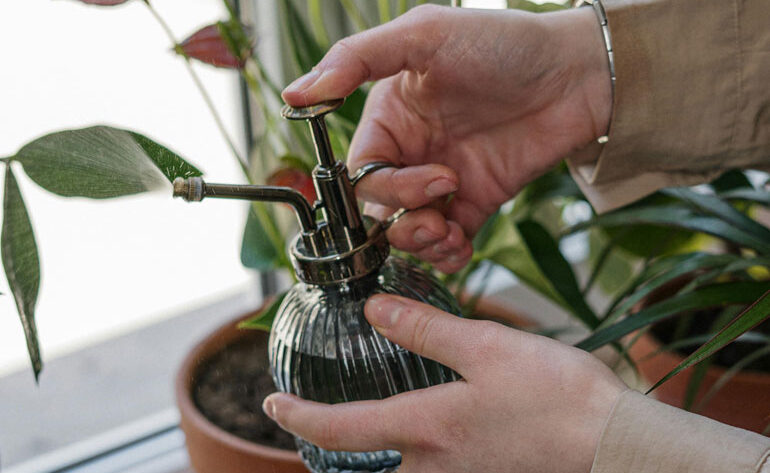
These ferns prefer cooler temperatures (ideally around 65°F to 75°F), so if your conservatory is unheated in the winter months, it may be a challenge to keep them thriving. However, you can easily increase humidity by misting them with a spray bottle, placing them on a tray with pebbles and water, or using a humidifier.
African Violets
For those looking to add a burst of vibrant colour to their indoor space, African violets (Saintpaulia) are an excellent choice. These beautiful, compact plants are known for their colourful flowers, which bloom in shades of purple, pink, and white. African violets prefer indirect sunlight, so placing them near a window where they receive plenty of natural but filtered light is ideal.
They require little water, but be sure to avoid getting water on their fuzzy leaves, as this can cause spotting. These plants thrive at room temperature and prefer slightly acidic soil, so use specialised soil to give them the best environment. In my experience, they’re a perfect indoor flower for a traditional conservatory, adding both a classic look and a pop of colour throughout the year.
Hibiscus Plants
For a more tropical vibe, hibiscus plants (Hibiscus rosa-sinensis) are a wonderful addition to any conservatory. With their large, bold hibiscus flowers in shades of red, orange, and pink, these sun-loving plants thrive in plenty of sunlight and love warm temperatures.
During the summer months, they will benefit from full sun, but during winter months, make sure to move them to a spot with ample sunlight or use supplemental lighting like UV light to keep them thriving. Keep the soil moist, but not soggy, and ensure good drainage to prevent root rot. They also enjoy a humid environment, so misting them or using a humidifier can help during drier seasons. If you’re lucky, they’ll bloom multiple times a year, adding a tropical feel to your beautiful conservatory.
Peace Lilies
If your conservatory doesn’t get much light or you have some shady corners, peace lilies (Spathiphyllum) are one of the best low-light plants to consider. Known for their elegant white blooms and lush green foliage, peace lilies are not only easy to care for, but they’re also excellent at filtering indoor air.
They prefer indirect light and little water, making them ideal for areas of the conservatory where full sun might not reach. Be cautious not to overwater them; peace lilies thrive in well-drained soil and need just enough water to keep the soil moist but not soaked. They’re a great way to fill in shady spots and create a calming, serene environment in your indoor space.
Aloe Vera
If you’re looking for a plant with great benefits beyond aesthetics, aloe vera (Aloe barbadensis miller) is the perfect way to add some green to your conservatory. Not is is one of the best plants for conservatory because of it’s striking, fleshy, spiky leaves, but aloe also has medicinal properties, making it a great option to have on hand for soothing burns or skin irritation.
Aloe vera thrives in plenty of sunlight and doesn’t require much water, making it one of the easiest plants to care for. Just ensure you use well-drained soil and a pot with easy drainage to avoid root rot. This plant loves bright light, so place it near the sunniest spot in your conservatory for the best results.
Christmas and Easter Cacti
For a unique touch, consider adding Christmas cacti (Schlumbergera) or Easter cacti to your conservatory. These festive plants are known for their vibrant blooms that appear around the holidays. Unlike typical cacti, they prefer indirect light and thrive in cooler temperatures, making them ideal for conservatories that experience fluctuating daytime and nighttime temperatures.
They require only a little water, so be sure to let the soil dry out between waterings to prevent root rot. These cacti are great for adding a splash of colour and are easy to propagate, so you can create new plants from cuttings to expand your indoor garden.
Croton Plants
If you’re looking to add some striking foliage with bold colours, croton plants (Codiaeum variegatum) are the way to go. Known for their variegated leaves with shades of green, yellow, orange, and red, they’re a great way to bring pops of vibrant colour to your conservatory.
Crotons prefer bright light but can also handle indirect sunlight – although they aren’t a fan of midday sun. Be sure to keep them in a humid environment, and water them regularly to keep their soil moist but not waterlogged. The stunning colours of the Croton plant make it a perfect indoor flower for adding contrast and drama to your conservatory decor.
String of Pearls
For a great place to display hanging plants, the string of pearls (Senecio rowleyanus) is a unique and beautiful addition to your conservatory. With its delicate strands of green pearls, this succulent is perfect for hanging baskets or shelves.
The string of pearls plant requires indirect sunlight and little water, making it ideal for those who want a striking, low-maintenance plant. Just be sure to plant it in well-draining soil to avoid water buildup. It’s a great conversation starter and brings a whimsical touch to any conservatory space.
Best Plants For Conservatory
Your conservatory is the perfect spot to create a lush, vibrant indoor garden filled with the best plants that suit your space’s lighting, temperature, and humidity conditions. Whether you’re filling your conservatory with tropical plants like hibiscus or opting for hardy, low-light plants like the peace lily, the key to success lies in understanding your conservatory’s environment and providing the right care for each plant.
Read more posts in the Tips Category


