

May is a wonderful month for gardeners. With an extra couple of bank holidays, there’s some extra time to spend pottering in the garden as well as enjoying what might already be flowering or growing. In a typical year, the weather is usually warming up a treat and it’s a very pleasant time to spend more and more time outside. So here are the best plants to plant in May.
Best Plants to Plant in May
The end of May is usually the time that experts recommend that you start moving flowers and less hardy plants outside. It is unlikely that there will be hard ground frosts after the end of May, so your plants should be safe from cold conditions.
Pumpkins
Pumpkins are a great choice if you are thinking about what vegetables to plant in May UK. If you start them now, you should have plenty of them come Autumn time.
If you live in a colder area of the UK, it will probably be best to sow your pumpkin seeds indoors in pots first of all. You should use a 7.5cm pot and add the seeds about 1cm deep into the soil. They should germinate if you keep them at about 18 – 21 degrees.
If you live in the warmer southern parts, you can sow your seeds directly outside. I’d wait until towards the end of May before planting your seeds, and then cover the area with a cloche until they germinate.

Spaghetti Squash
The lesser-known spaghetti squash is a great choice when looking at what seeds to sow in May. It’s an unusual vegetable but really tasty. After the spaghetti squash is cooked, the flesh becomes stringy and can be eaten like spaghetti, hence the name.
Like all squashes, the spaghetti squash has a long growing period, so you can start the seedlings off inside and then move them outside. You can also sow them directly outside in later May when it is a bit warmer, but you may find they crop a little later than the ones started on inside.
With all winter squashes, once they are ready to harvest, you should remove the squash before the first frosts, but wait until the squash has ripened first.
Sweetcorn
Sweetcorn is an impressive vegetable to grow and so a good choice when pondering what to sow in May. I’d suggest starting your sweetcorn inside as it needs warm condition at first. Sow the sweetcorn seeds in pots at a depth of around 2.5cm and keep them at around 18 – 21 degrees.
For the best chances of pollination, you should plant your sweetcorn in blocks as opposed to rows. They like a sunny, sheltered spot in the garden and you’ll need to keep them well-watered.
You can harvest the sweetcorn by twisting the cobs and pulling sharply from the stem. Make sure they are ripe though by testing the cobs first. If you squash or pierce a kernel it should be creamy, if it’s still watery, it’s not yet ripe. You can test when the tassels have turned brown. The tassels are the bits that look like straggly hair.
Tomatoes
May is the ideal month to plant warm-season crops such as tomatoes. You can either choose to buy plants from your local garden centre and plant them out into your garden or greenhouse or if you have sown your tomato seeds earlier in the year, usually late February, March or April time, you can harden your plants off over the coming weeks and then pop these outside to grow big and strong in the warm may temperatures. In my experience, it’s a lovely idea to plant a number of different varieties of tomatoes and see which ones do the best in your garden. Generally speaking, tomatoes are low-maintenance plants which give high yields.
Brussels Sprouts
Brussels sprouts are vegetables that can be planted in late May for an autumn harvest. If you’ve planted your seeds earlier on in the year, you can start to move your plants outside in May. If you haven’t yet sown your brussel sprout seeds, you can sow these directly outside in May. If you are concerned about the cooler weather in your area, you can sow these under cloches and give them an extra boost of warmth.
Swiss Chard
Swiss chard is a versatile and nutritious leafy green that thrives in the temperatures of late spring. Plant seeds directly into the garden soil in May, providing them with full sun or partial shade depending on your climate. Swiss chard comes in a variety of vibrant colours, making it both a culinary treat and a visual stunner in the garden. Lots of people use Swiss chard as an ornamental addition to their gardens as they look stunning as they grow.
Sweet Potatoes
May is the perfect time to plant sweet potatoes in warmer climates, where they can bask in the summer heat and develop sweet, flavorful tubers. Choose a sunny spot with well-drained soil and plant sweet potato slips in late May for an autumn harvest. Sweet potatoes are usually ready about 12 to 16 weeks after planting. Sweet potatoes are usually grown from what is known as slips. These are cuttings from existing plants. You are best to keep these slips in water for a couple of days after purchasing them, then pop them into some moist compost, burying as much of the stem as possible, to encourage lots of lovely roots to develop.
Ensure the plants have enough space to spread out and grow, as sweet potatoes require a lot of room to flourish. You’ll find that sweet potatoes will do better undercover in a greenhouse or polytunnel than they will outside, but there’s no reason why they can’t be grown outside in the UK. You may simply find that your sweet potatoes will be smaller and you may get a smaller harvest from your outside plants than ones that are grown under cover.
Flowers – Best Flowers to Plant in May
Brighten up your garden beds with a splash of colour by planting annual flowers such as salvia, sunflowers, and marigolds in May. These low-maintenance plants add beauty and charm to your garden while attracting beneficial pollinators and wildlife. Choose a variety of flowers with different colours, shapes, and sizes to create a vibrant and diverse garden space. Marigolds are great companion plants for your vegetable plants and will keep away a number of pests. If you’ve sown sweet peas earlier on in the year, late April or May is a good time to harden them off and plant them out as the warm weather will start them racing up your trellis work, and, if they are the fragranced variety, will start to make home gardens smell amazing.
Salvia
If you are thinking about the best plants to plant in May UK, Salvias are a strong contender. They rarely suffer from problems, don’t mind if we have a very dry summer, plus there are so many varieties to choose from.
Salvias like a nice sunny spot, but if you have a shaded area, some varieties will be more tolerant of this.
Salvias don’t really need to be fed during the summer, but you are best to deadhead regularly. They are quite low maintenance and look great. Hence why they make the list of what to plant in May.
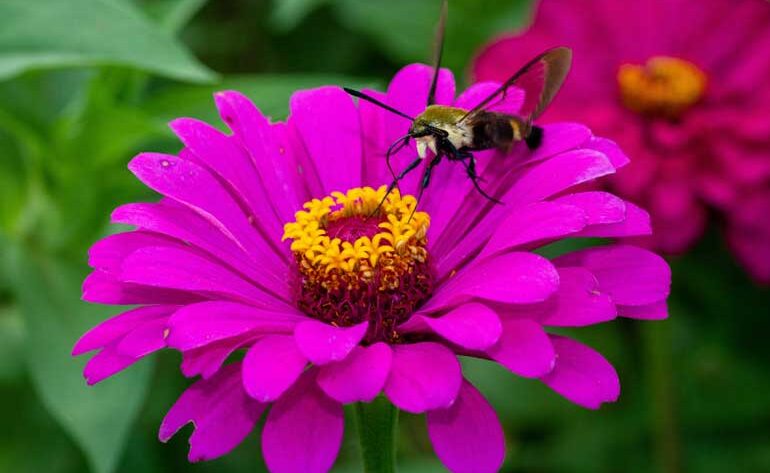
Zinnia
Zinnias are best planted straight into position as they don’t like to be disturbed once in place. So wait until May and then you can sow the seeds directly outside.
You will need to sow your Zinnia seeds quite thinly at around 3mm deep. They should germinate within 14 days. Once you have the little seedlings, you should thin them out to about 20 – 25cm apart.
As with many flowers, once they begin to bloom, you’ll want to deadhead regularly and you can also use Zinnias as cut flowers. They will continue to flower all summer.
Begonias
You can start your Begonias off inside in early spring, but you can also directly plant them outside, once all risk of frost has passed. You’ll need to pick your location carefully, as Begonias don’t like full sun. So pick a shadier spot for these flowers.
You’ll still need to water them regularly and they do like to be feed every week or so with a high potash feed. Once they have finished flowering and the first frosts are imminent, you’ll need to dig up the tubers, dry them out and store them over winter. Then they’ll be ready when you are thinking about next year and what to plant in May.

Echinacea
The last suggestion of mine for what flowers to plant in May is Echinacea. These will grow best in full sun. They are relatively quick and easy to germinate and should flower all summer long if you regularly deadhead them.
Echinacea is a great plant to grow to encourage butterflies to your garden. You can find out more about the best flowers for butterflies.
Understanding Your Climate and Timing -Best Plants to Plant in May
Before you begin planting, it’s crucial to be mindful of your location, climate and local weather conditions. While May typically signals the end of the risk of frost in many regions of the UK, it’s still essential to keep an eye on the forecast and be prepared to protect tender plants if late frosts threaten. Understanding what you’ve planted, the risk to these young plants and the average last frost date for your area will help you determine the best time to start planting for the coming season. You can always arm yourself with horticultural fleece overnight or even use cloches or row covers should the need arise. Although, generally speaking May is warm enough that you shouldn’t have any problems with late frosts and it should be the ideal time for your summer garden to start to thrive.
Preparing Your Garden Beds – Best Plants to Plant in May
Ensure that your garden beds are ready for planting by providing them with the right conditions. May is an excellent time to amend the soil with organic matter such as compost or well-rotted manure, enriching it with nutrients and improving its structure. Aim for moist, well-draining soil that retains enough moisture for plant growth while preventing waterlogging. Consider adding a layer of mulch to help regulate soil temperature and conserve moisture, especially as warmer temperatures and longer days become the norm.
So has this list given you some ideas on best plants to plant in May? What fruits, vegetables and plants will you be planting this May? Don’t forget if you are planting outside to be aware of those frosts. May is a fantastic month for home gardeners to get their hands dirty and plant a variety of crops that thrive in the warm temperatures and longer days of late spring. By understanding your local climate, preparing your garden beds, and choosing the right plants, you can set the stage for a successful growing season ahead. Whether you’re planting fruit, vegetables, or colourful flowers, May offers an abundance of opportunities to cultivate a thriving and beautiful garden that will delight your senses and nourish your soul. So roll up your sleeves, grab your gardening tools, and get ready to enjoy the fruits of your labour in the coming weeks and months. You will find that the hard work you put into your garden in May will pay off in no time and you’ll be surrounded by homegrown fruit and vegetable, plus an abundance of gorgeous, beautiful flowers which will last you into autumn and beyond.
Read more posts in the Tips Category


